Showing posts with label Intellectual Property. Show all posts

Thursday, August 11, 2011

Making Sense of Public Domain

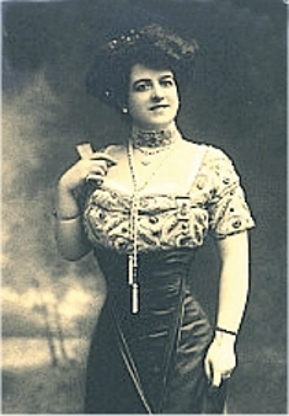
As more material becomes identified by governments, libraries, museums, and other institutions as "public domain," instructors and administrators will need help in understanding what is out there and the significance of some of the archives. They will also need help in learning how to use them effectively. This is where The Public Domain Review comes in. "Public domain" is any work that is not copyrighted, has an expired copyright, or that is considered public property. Copyright expiration dates can vary from country to country but tend to be 50 to 70 years after the death of the author. These materials are free to use and re-purpose, even commercially. There is a University of California website dedicated to copyright with a good over-view of the laws and definitions around public domain. The Public Domain Review provides examples of the kinds of materials in public domain from various archives of public domain materials on the net including:


The Public Domain Review is accepting submissions of articles. They are looking for articles about items in the collections but they are also looking for articles about how to use the materials in the collections. This is a good opportunity for teachers, instruction designers, and artists to reconnect students and the public with the historical record of our culture. I would like to see lesson plans developed around public domain materials, much like what we are doing with the course development around the Kaleidoscope grant (a grant that seeks to implement courses using openly licensed texts and learning objects).
Enhanced by Zemanta

Friday, October 08, 2010

Open Access Week

Open Access logo, converted into svg, designed...Image via WikipediOPen 
Open Access Week is happening  Oct. 18 - 22. I am particularly interested in it because it is a chance to hear leaders in the field of open education resources, such as Wayne Mackintosh, the director of the OER Foundation, facilitate free webinars. It looks like an interesting schedule.

"Open Access Week, a global event now entering its fourth year, is an opportunity for the academic and research community to continue to learn about the potential benefits of Open Access, to share what they’ve learned with colleagues, and to help inspire wider participation in helping to make Open Access a new norm in scholarship and research.

“Open Access” to information – the free, immediate, online access to the results of scholarly research, and the right to use and re-use those results as you need – has the power to transform the way research and scientific inquiry are conducted. It has direct and widespread implications for academia, medicine, science, industry, and for society as a whole.

Open Access (OA) has the potential to maximize research investments, increase the exposure and use of published research, facilitate the ability to conduct research across available literature, and enhance the overall advancement of scholarship. Research funding agencies, academic institutions, researchers and scientists, teachers, students, and members of the general public are supporting a move towards Open Access in increasing numbers every year. Open Access Week is a key opportunity for all members of the community to take action to keep this momentum moving forward."
Enhanced by Zemanta